Blog

  • Cold and Flu Season with COPD: Your Game Plan to Stay Out of the Hospital

    Let’s be honest: everyone dreads catching a cold or the flu. But when you have COPD, it’s more than just an inconvenience; it’s a direct threat. What might be a minor sniffle for someone else can quickly escalate into a serious lung infection (like pneumonia) or a dangerous COPD flare-up for you—the kind that can land you in the emergency room.

    The reason is simple. Your lungs are already working overtime. Throwing a virus into the mix is like pouring gasoline on a smoldering fire. It causes massive inflammation, swelling in your airways, and a flood of thick mucus, making it nearly impossible to breathe.

    But fear doesn’t have to be in the driver’s seat. You can fight back with a smart, proactive game plan.

    Your First Line of Defense: Prevention is Everything

    Vaccinate Like Your Life Depends On It (Because It Does):

    The Flu Shot: This is your non-negotiable, number-one priority. Get it every year, as soon as it’s available.

    Pneumonia Vaccine: Ask your doctor if you’ve had the pneumococcal vaccine to protect against a common cause of pneumonia.

    COVID-19 Boosters: Stay up-to-date with the latest COVID-19 vaccinations and boosters.
    Vaccines are your best shield. They may not guarantee you won’t get sick, but they dramatically reduce your risk of severe complications and hospitalization.

    Become a Germ-Fighting Ninja:

    Wash Your Hands frequently with soap and water. It’s the simplest and most effective tactic.

    Carry Hand Sanitizer for when you can’t wash.

    Keep Your Distance from people who are coughing and sneezing.

    Avoid Touching Your Face, especially your eyes, nose, and mouth.

    Your Sick-Day Action Plan: When the Bug Bites

    Even with the best defenses, you might still get sick. The key is to act fast. Don’t wait it out.

    Call Your Doctor at the First Sign. Don’t wait until you’re in crisis. Tell them you have COPD and describe your symptoms. They may prescribe antiviral medication (for the flu) or other treatments that work best when started early.

    Know Your “Red Flag” Symptoms. These are signs that you need immediate medical attention:

    Increased shortness of breath, even while resting.

    A fever that is high or lasts more than a day.

    A change in your mucus (it becomes yellow, green, bloody, or much thicker).

    Confusion, dizziness, or severe drowsiness.

    Feeling so breathless you can’t speak in full sentences.

    Stick to Your COPD Regimen. It’s more important than ever to take your maintenance medications as prescribed. This will help keep your airways as open as possible.

    Hydrate and Rest. Drink plenty of fluids (water, broth) to help thin mucus. Your body needs all its energy to fight the infection, so cancel your plans and rest.

    Getting sick is a risk, but it’s not a guaranteed disaster. By having a clear game plan, you can protect yourself, act decisively, and get through cold and flu season with confidence. Your lungs are counting on you.

  • Lung Care for Steady Breathing


    Lung Health & Seniors’ Quality of Life


    Lung Health: The Unsung Hero of Seniors’ Quality of Life

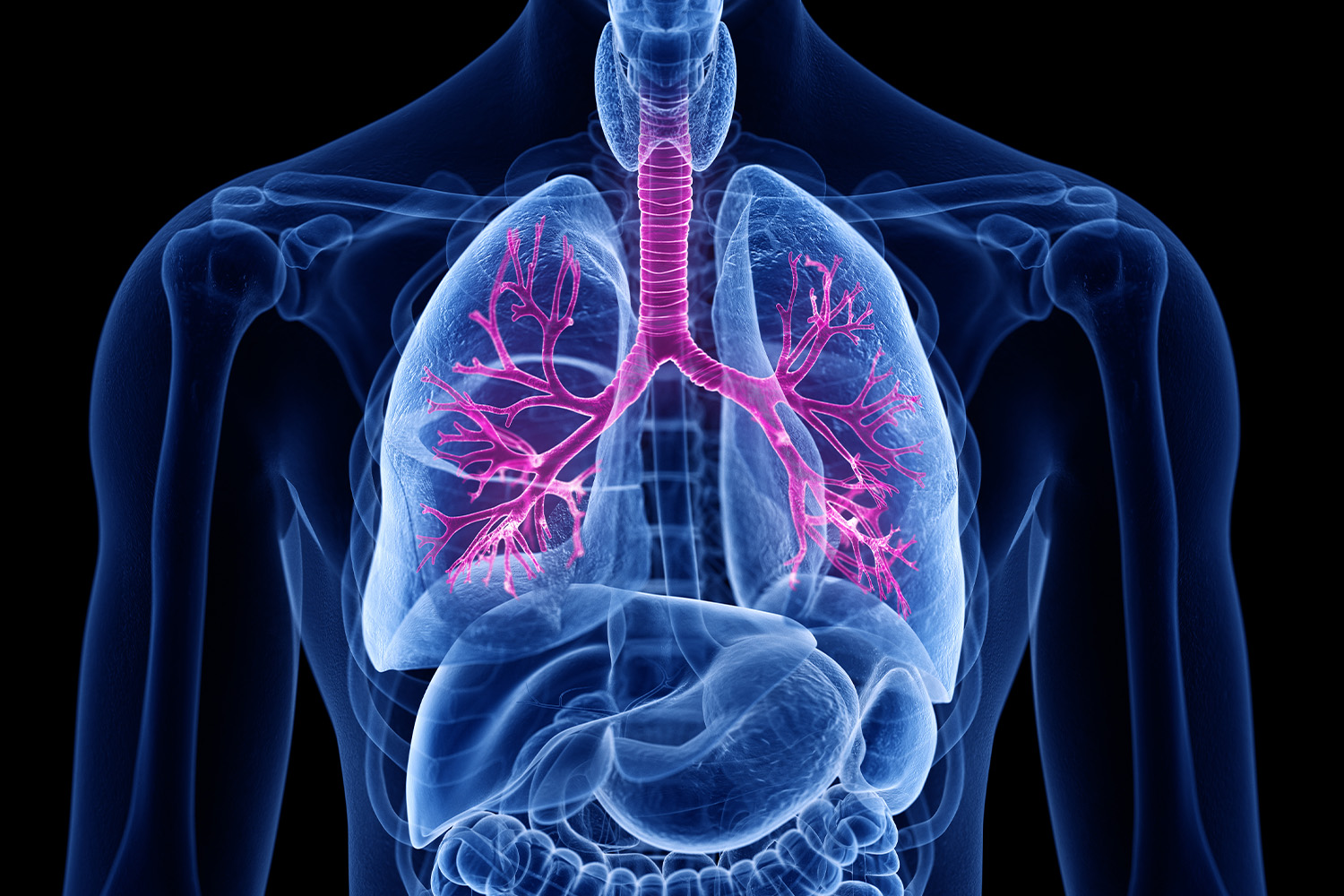
    For many seniors, “health” often brings to mind heart health, joint pain, or memory care—but lung health rarely gets the same attention. Yet, the state of our lungs shapes nearly every part of daily life, especially as we age. From walking to the grocery store to laughing with grandchildren, healthy lungs are the quiet force that keeps these moments possible. When lung function declines, the ripple effects touch everything: independence, energy, mood, and even how long we can enjoy life’s simple pleasures. Let’s break down exactly how lung health impacts seniors’ quality of life, and why it deserves more care.

    1. It Determines How Much Independence You Keep

    Independence is a cornerstone of quality of life for seniors. Being able to dress yourself, cook a meal, or tend to a garden isn’t just about “doing things”—it’s about dignity. But poor lung health chips away at this independence bit by bit.

    When lungs can’t take in enough oxygen, even small tasks become exhausting. A senior with weakened lungs might pause halfway through folding laundry to catch their breath, or ask a family member to carry groceries because walking from the car to the door feels overwhelming. Over time, these small concessions add up: they stop driving because they worry about feeling short of breath behind the wheel, or avoid going to church because climbing the steps feels too hard. What starts as “needing a little help” can turn into relying on others for basic needs—a shift that often leaves seniors feeling powerless.

    Example: Mrs. Carter, 78, used to love baking cookies for her great-grandkids. But after her lung function dropped, standing at the oven for 20 minutes left her gasping. Now, she only bakes if her daughter helps—and even then, she sits while mixing. “It’s not the same,” she says. “I feel like I’m watching instead of doing.”

    2. It Shapes Your Energy Levels (and Ability to Enjoy Life)

    Energy is the fuel for joy. Whether it’s attending a grandchild’s soccer game, going for a walk in the park, or just chatting with a friend over coffee, these moments require energy—and energy comes from oxygen. Lungs that can’t efficiently exchange oxygen and carbon dioxide leave seniors feeling tired, even after a full night’s sleep.

    This isn’t the “normal tiredness” of a long day—it’s a persistent, heavy fatigue that doesn’t lift with rest. A senior with lung issues might nap through the afternoon instead of visiting a neighbor, or skip a family dinner because they don’t have the energy to sit and talk. Over time, this fatigue can make life feel flat: hobbies are abandoned, social plans are canceled, and even reading a book feels like too much work. Healthy lungs, on the other hand, keep oxygen flowing steadily, so seniors have the energy to engage with the people and activities they love.

    3. It Lowers Your Risk of Life-Threatening Infections

    Seniors’ immune systems naturally weaken with age, making them more vulnerable to infections—but poor lung health makes this risk even higher. The lungs have a built-in defense system (like tiny hairs called cilia that sweep out mucus and germs), but when lungs are damaged (from smoking, pollution, or aging), this system doesn’t work as well.

    A simple cold can quickly turn into bronchitis or pneumonia for a senior with weak lungs. These infections aren’t just uncomfortable—they can be deadly. Pneumonia, for example, sends millions of seniors to the hospital each year, and many never fully recover. Even after treatment, they might have less lung function than before, making it harder to breathe and increasing their risk of future infections. Healthy lungs, by contrast, can fight off germs more effectively, keeping seniors out of the hospital and able to stay in their own homes.

    4. It Affects Your Sleep (and Your Mood)

    Sleep is essential for physical and mental health, but lung issues often disrupt it. Seniors with chronic lung conditions like COPD (chronic obstructive pulmonary disease) often struggle with “nocturnal hypoxemia”—low oxygen levels at night. This can cause them to wake up gasping for air, or sleep in short, restless bursts instead of deep, restorative sleep.

    Poor sleep doesn’t just leave seniors tired—it worsens their mood. Studies show that people who don’t sleep well are more likely to feel anxious or depressed, and this is especially true for seniors. A senior who wakes up exhausted every morning might feel irritable, hopeless, or uninterested in things they used to enjoy. Over time, this can lead to social isolation and a downward spiral in mental health. Healthy lungs, however, keep oxygen levels steady at night, so seniors sleep better—and wake up ready to face the day with a better mood.

    5. It Impacts How Long You Live (and How Well)

    Finally, lung health is a strong predictor of longevity and “healthy aging”—living longer and living well. Research shows that seniors with strong lung function are more likely to live independently into their 80s and 90s, while those with poor lung function have a higher risk of early death from heart disease, stroke, or respiratory failure.

    But it’s not just about length of life—it’s about quality. A senior with healthy lungs might live to 90 and still take daily walks, while a senior with weak lungs might live to 85 but spend their last years in a wheelchair, relying on oxygen. The difference lies in lung health: it’s not just about breathing—it’s about living a life that feels full.

    For seniors, caring for their lungs isn’t a “nice-to-have”—it’s essential for keeping the life they love. Small steps—like avoiding smoke, getting vaccinated against the flu and pneumonia, and doing gentle breathing exercises—can go a long way in protecting lung function. By giving lungs the attention they deserve, seniors can hold onto their independence, energy, and joy for years to come. After all, a life well-lived starts with a breath well-taken.
  • Lung Health for Seniors


    Lung Health for Older Adults


    Lung Health for Seniors: Keep Breathing Easy as You Age

    As we age, our lungs change—they may lose some elasticity, making breathing a little harder. But for older adults, keeping lungs healthy isn’t about big changes. It’s about small, steady steps that fit your daily life. This guide shares easy ways to care for your lungs and spot signs that need attention.

    1. Breathe in Fresh Air (Safely)

    Fresh air is great for lungs, but seniors need to be smart about it:

    • Avoid polluted days: Check local air quality reports—on bad days, stay indoors with windows closed.
    • Enjoy mild weather: Take short walks in the morning or evening when it’s cool. Sit in a park for 10–15 minutes to breathe in clean air.
    • Skip strong scents: Cleaning sprays, candles, or perfumes can irritate lungs. Use unscented products instead.

    2. Move Your Body (Gently)

    Exercise doesn’t have to be hard to help your lungs. Low-impact activity keeps air flowing and strengthens chest muscles:

    • Chair exercises: Sit and do arm lifts or leg stretches while watching TV—this gets your lungs working.
    • Slow walking: A 15-minute walk around your neighborhood (or mall, if it’s cold) most days helps.
    • Breathing exercises: Try “pursed-lip breathing”—inhale through your nose for 2 counts, exhale slowly through pursed lips for 4 counts. It eases shortness of breath.

    Pro Tip: Always warm up first—even a 2-minute stretch helps your lungs adjust to activity.

    3. Avoid Things That Hurt Lungs

    Some habits and exposures can damage lungs over time. Here’s what to skip:

    • Smoking (and secondhand smoke): If you smoke, quitting is the best thing for your lungs—talk to your doctor for help. Stay away from others who smoke.
    • Dust and mold: Clean your home regularly (ask for help if needed). Fix leaky faucets to stop mold growth—mold spores irritate lungs.
    • Wood-burning stoves/fireplaces: They release smoke and particles. Use gas or electric alternatives if possible.

    4. Get Vaccines to Protect Lungs

    Infections like the flu or pneumonia can be hard on senior lungs. Vaccines lower your risk:

    • Flu shot: Get one every year—flu can lead to severe lung issues.
    • Pneumonia vaccine: Most seniors need one or two doses (ask your doctor). It prevents a common, lung-harming infection.

    5. Know When to See a Doctor

    Don’t ignore these signs—they could mean your lungs need help:

    • Persistent cough (lasts more than 3 weeks) or cough with colored mucus.
    • Shortness of breath when doing simple things (like dressing or cooking).
    • Chest pain or wheezing when breathing.
    • Feeling tired or confused (low oxygen can cause this).

    Taking care of your lungs as a senior is about being kind to your body. Small steps—like a short walk, fresh air, or a vaccine—add up to easier breathing and a better quality of life. And remember, your doctor is always there to help you make a plan that fits your needs.


  • The Air We Breathe: A Practical Guide to Respiratory Wellness

    Introduction
    Every day, you breathe approximately 20,000 times. This automatic process fuels your body with essential oxygen while removing waste carbon dioxide. Optimal respiratory function affects everything from your energy levels to your immune response. This comprehensive guide provides evidence-based strategies to enhance your breathing capacity and protect your respiratory health through simple, daily practices.

    Foundations of Healthy Breathing

    1. Understanding Respiratory Efficiency
      Your respiratory system’s efficiency depends on multiple factors: airway clarity, muscle strength, and environmental conditions. The average adult uses only about 70% of their total lung capacity during normal breathing. With proper techniques and habits, you can improve this percentage, delivering more oxygen to your body with less effort.
    2. The Impact of Modern Living
      Sedentary lifestyles, poor posture, and environmental pollutants have made inefficient breathing increasingly common. Many people develop shallow breathing patterns, using only the upper portion of their lungs. This not only reduces oxygen intake but can contribute to anxiety, fatigue, and increased susceptibility to respiratory issues.

    Daily Maintenance Routine

    1. Morning Breathing Exercises
      Start each day with five minutes of conscious breathing:
    • Sit comfortably with straight spine
    • Inhale deeply through nose for 4 counts
    • Hold breath for 2 counts
    • Exhale completely through mouth for 6 counts
      This practice oxygenates your body, activates your diaphragm, and sets a healthy breathing pattern for the day.
    1. Postural Awareness
      Your breathing capacity directly relates to your posture. Implement these habits:
    • Set reminders to check your posture hourly
    • Use ergonomic chairs that support spinal curves
    • Position computer screens at eye level
    • Practice shoulder roll exercises every two hours
    1. Hydration Strategy
      Proper hydration maintains the thin mucus layer that traps pathogens and irritants. Drink water consistently throughout the day rather than consuming large volumes at once. Herbal teas and broth-based soups also contribute to fluid intake while providing additional antioxidants.

    Environmental Optimization

    1. Home Environment Enhancements
      Create a respiratory-friendly home environment:
    • Maintain humidity levels between 30-50%
    • Use vacuum cleaners with HEPA filters
    • Choose natural cleaning products
    • Ensure proper ventilation in bathrooms and kitchens
    • Consider salt lamps which may help reduce airborne irritants
    1. Workplace Considerations
      Improve your work breathing environment:
    • Position your desk away from air vents
    • Use a small desktop air purifier
    • Incorporate plants that improve air quality
    • Take regular breathing breaks away from your desk

    Nutritional Support

    1. Essential Nutrients for Respiratory Health
      Incorporate these powerhouse foods:
    • Apples (contain quercetin, a natural antihistamine)
    • Ginger and turmeric (natural anti-inflammatories)
    • Garlic and onions (sulfur compounds that support immunity)
    • Green tea (contains antioxidants that protect lung tissue)
    • Pumpkin seeds (rich in magnesium for bronchial health)
    1. Meal Timing and Composition
      Eat smaller, more frequent meals to prevent abdominal fullness that can restrict diaphragm movement. Avoid heavy meals before periods of physical activity or bedtime.

    Exercise and Activity

    1. Cardiovascular Training
      Regular aerobic exercise is the most effective way to strengthen respiratory muscles. The key is consistency rather than intensity. Find activities you enjoy and can maintain long-term.
    2. Strength Training
      Don’t neglect strength training for your upper body. Strong chest, back, and shoulder muscles provide better support for respiratory mechanics.
    3. Breathing During Exercise
      Practice coordinating your breathing with movement. Generally, exhale during the exertion phase of exercises and inhale during the recovery phase.

    Special Considerations

    1. Seasonal Challenges
      Prepare for seasonal changes:
    • Spring: Manage allergies with local honey and air purification
    • Summer: Avoid outdoor exercise during high ozone alerts
    • Fall: Boost immunity as weather changes
    • Winter: Protect against dry indoor air with humidification
    1. Travel Tips
      Maintain respiratory health while traveling:
    • Stay hydrated during flights
    • Use saline nasal sprays in dry aircraft cabins
    • Choose window seats away from high-traffic aisles
    • Practice breathing exercises to reduce travel stress

    Monitoring and Maintenance

    1. Self-Assessment
      Regularly check in with your breathing:
    • Notice if you’re breathing through your mouth or nose
    • Monitor for increased breathlessness during routine activities
    • Pay attention to changes in your cough threshold
    • Notice patterns in your energy levels
    1. Professional Care
      Schedule regular check-ups and discuss any respiratory changes with your healthcare provider. Consider periodic pulmonary function testing if you have risk factors or concerns.

    Conclusion
    Healthy breathing is a skill that can be developed and maintained through conscious practice. By implementing these strategies—from daily breathing exercises and postural corrections to environmental adjustments and proper nutrition—you can significantly enhance your respiratory wellness. Remember that improvement comes through consistent practice. Start with one or two changes, master them, then gradually incorporate additional strategies. Your breath is your most constant companion—make each one count toward better health.

  • Breathe Easy: Your Guide to Healthier Breathing

    Introduction
    Breathing is the most fundamental process of life, yet we often take it for granted until problems arise. Maintaining healthy respiratory function is crucial for overall wellness, energy levels, and quality of life. This guide explores practical, daily habits that can help you breathe more efficiently and protect your respiratory health for years to come.

    Understanding Your Respiratory System
    Your respiratory system is a complex network designed to deliver oxygen to your body while removing carbon dioxide. The diaphragm, your primary breathing muscle, works with intercostal muscles between your ribs to facilitate breathing. When these muscles are strong and your airways are clear, breathing requires minimal effort. However, pollution, poor posture, and unhealthy habits can compromise this efficiency.

    Essential Daily Practices

    1. Master Breathing Techniques
      Proper breathing techniques can significantly improve your respiratory efficiency. Practice diaphragmatic breathing by lying on your back with knees bent. Place one hand on your chest, the other on your abdomen. Inhale slowly through your nose, ensuring your abdomen rises more than your chest. Exhale through pursed lips. This technique strengthens your diaphragm and promotes more complete oxygen exchange.

    Pursed-lip breathing is another valuable technique. Inhale through your nose for two counts, then exhale slowly through pursed lips for four counts. This method helps keep airways open longer, particularly beneficial during physical exertion or when feeling breathless.

    1. Maintain Good Posture
      Your posture directly impacts your breathing capacity. Slouching compresses your chest cavity, restricting full lung expansion. Make a conscious effort to:
    • Sit and stand with shoulders back
    • Keep your head aligned with your spine
    • Avoid prolonged periods of slouching
    • Take regular stretch breaks if you sit for work
    1. Stay Active
      Regular exercise is vital for respiratory health. Aerobic activities like walking, swimming, or cycling improve cardiovascular fitness and strengthen respiratory muscles. Aim for at least 30 minutes of moderate activity most days. Even simple activities like taking the stairs or walking during phone calls can make a difference.

    Environmental Considerations

    1. Improve Indoor Air Quality
      Indoor air can be more polluted than outdoor air. Enhance your environment by:
    • Using air purifiers with HEPA filters
    • Regularly replacing HVAC filters
    • Introducing air-purifying plants like peace lilies or spider plants
    • Avoiding synthetic air fresheners
    • Ensuring proper ventilation when cooking
    1. Protect Against Outdoor Pollutants
      Check air quality indexes before outdoor activities. On high-pollution days:
    • Limit outdoor exercise
    • Plan activities for early morning when pollution levels are typically lower
    • Wear a mask if air quality is particularly poor
    • Choose walking routes away from heavy traffic

    Nutrition and Hydration

    1. Eat for Respiratory Health
      Certain nutrients specifically support respiratory function:
    • Antioxidant-rich foods (berries, leafy greens) protect against cellular damage
    • Omega-3 fatty acids (fatty fish, walnuts) reduce inflammation
    • Magnesium-rich foods (nuts, seeds, legumes) support bronchial relaxation
    • Vitamin C sources (citrus, bell peppers) boost immunity
    1. Stay Hydrated
      Adequate hydration keeps mucosal linings in respiratory passages moist, helping to trap and eliminate irritants. Aim for 6-8 glasses of water daily, more if you’re active or in dry environments.

    Preventive Measures

    1. Practice Good Hygiene
      Wash hands regularly to prevent respiratory infections. Avoid touching your face with unwashed hands, and clean frequently touched surfaces regularly.
    2. Stay Updated on Vaccinations
      Keep current with recommended vaccinations, including annual flu shots and pneumonia vaccines if recommended by your healthcare provider.
    3. Avoid Respiratory Irritants
      If you smoke, seek help to quit. Avoid secondhand smoke exposure, and limit contact with other respiratory irritants like strong chemical fumes or dust.

    When to Seek Help
    Consult a healthcare professional if you experience:

    • Persistent cough lasting more than three weeks
    • Shortness of breath during routine activities
    • Wheezing or chest tightness
    • Frequent respiratory infections

    Conclusion
    Healthy breathing habits contribute significantly to overall wellness. By incorporating these practices into your daily routine—proper breathing techniques, regular exercise, good posture, and environmental awareness—you can maintain optimal respiratory function. Remember that consistency is key; small, regular efforts yield the most significant long-term benefits for your breathing health.

  • COPD awareness among the Syrian community: population-based study

    Abstract

    Chronic obstructive pulmonary disease (COPD) is a common disease and among the top causes of mortality worldwide but can be prevented and treated. This study aims to estimate the awareness of COPD among the Syrian population. A cross-sectional anonymous self-administered online survey was conducted by using Google Forms on Social Media platforms. The questionnaire included demographic, smoke-related and COPD-related questions. This study included 1607 participants with 930 (57.8%) females, 40% aging 21–25 years old, more than 90% being university students/graduates and 67.8% living in cities. Around half were either active smokers or had second-hand smoke exposure. After excluding participants in health-related fields who were 950 participants, only 25.4% of the remaining had ever heard of the term COPD. Knowing about COPD was not associated with reported smoking habits. No significant differences in awareness were seen between city and countryside dwellers, governate groups, genders, or age groups. Being in a health-related field was a major factor of being aware of COPD. COPD awareness in Syria is low, even amongst the well-educated group. Moreover, COPD risk factors of smoking and exposure to indoor and outdoor pollutants are common. Raising awareness is crucial in the Syrian community as COPD is highly prevalence.

    Introduction

    Chronic obstructive pulmonary disease (COPD) is a common condition that has a high prevalence worldwide but it is preventable and can be managed1. It manifests as a partially reversible airflow limitation due to chronic inflammation that most commonly occurs due to exposure to particles and gases, mostly from cigarettes. It is often associated with symptoms of shortness of breath, mainly on exertion, chronic cough, and chronic sputum production1,2,3. In addition to cigarette smoking, COPD may arise from certain occupational or environmental exposures such as coal mining4. Pulmonary function tests (PFT) are essential to document airflow obstruction and confirm COPD diagnosis. Post bronchodilator airflow obstruction is defined as a ratio of forced expiratory volume in the first second to the forced vital capacity (FEV1/FVC) below 0.71,4.

    COPD represents a major health concern and ranks as the 3rd leading cause of mortality globally, killing 3.23 million people in 2019, which was approximately 20% of the total deaths occurred in high-income countries5. COPD prevalence varies from one country to another1. Unfortunately, Syria is estimated to have one of the highest COPD prevalence among the Middle Eastern countries as it reached 17.2% compared to 14.3% in other countries in the Middle East and North Africa, adjusted by age and gender using symptoms of persistent coughing or breathlessness6,7 (Fig. 1). COPD is often underdiagnosed until it reaches moderate or severe stages or when the patient is hospitalized due to disease exacerbation8.

    Poor public awareness about COPD and its symptoms is a major concern9. Research papers in numerous countries studied the level of knowledge related to COPD among the population and emphasised on the importance of increasing awareness10,11,12,13, especially to help increase smoking cessation and prevent smoking initiation. This is particularly important as governments around the world spend billions combat COPD and its complications, which is particularly important in low-income countries due to the high burden of COPD6. This study aimed to measure the knowledge related to COPD in Syrian population in light of its high prevalence6 and the high prevalence of tobacco and shisha smoking in Syria14.

    Methods

    A cross-sectional anonymous self-administered online survey was conducted between 9 and 26 August 2021 among Syrian adults (age ≥ 18) through various social media platforms (WhatsApp and Facebook). It was posted daily and assured confidentiality on all participants. People had access to the link of the survey 24/7 and can access it using any device. The survey’s first page was confidentiality statement, explain the goals of the research and the reasons for the questionnaire.

    The survey was originally developed following reviewing relevant literature, designed using the Google forms tool, and consists of 24 questions that were completed within 5 min. The questionnaire was split into several sections which were: demographic characteristics such as age, gender, education level, smoking habits, and basic knowledge about COPD such as its prevalence, definition, symptoms, and diagnostic test.

    We confirm that all methods were performed in accordance with the relevant guidelines and regulations and in accordance with the Declaration of Helsinki.

    All variables are presented as frequency and percentages. Chi-square test was used to determine statistical significance between proportions and differences were statistically significant when p values were ≤ 0.05. SPSS version 25 was used to analyse the data.

    Ethics approval and consent to participate

    Online informed consent was taken before proceeding with the survey for participating in the research, and for using and publishing the data. We ensure confidentiality was maintained and asked no questions that might reveal any individual’s identity. No subjects were under the age of 18 years. Our study protocol and ethical aspects were reviewed and approved by Damascus University Faculty of Pharmacy, Damascus, Syria.

    Results

    Demographic characteristics
    A total of 1619 Syrian adults started the survey, 1607 of them completed it fully, with 930 (57.8%) being females, and about 40% were in the age range of 21–25 years. In our study, 950 (59.1%) participants were either health-related field university students or graduates. Overall, 703 (43.7%) were university graduates. A total of 657 (40.9%) of respondents were of non-medical background and 67.8% of the total were living in Syrian cities. Demographics of the participants are shown in (Table 1).

  • Taking Charge of Your Air

    Taking Charge of Your Air

    If you have COPD, you know the main symptoms all too well: the shortness of breath, the persistent cough, the fatigue. But what about the other health issues that often show up uninvited? The truth is, COPD rarely travels alone. It often brings along other chronic conditions—known as comorbidities—that can complicate your health picture.

    Understanding these connections is crucial because treating COPD isn’t just about your lungs; it’s about managing your whole health.

    The Usual Suspects: Who Else Might Be at the Table?

    1. Heart Disease: This is the most common and serious partner to COPD. The strain of low oxygen levels and inflammation can weaken your heart over time. Conditions like high blood pressure, heart failure, and coronary artery disease are frequent companions. Action Step: Monitor your blood pressure and report any new chest discomfort or swollen ankles to your doctor immediately.
    2. The Anxiety and Depression Duo: Struggling to breathe is terrifying. It’s no wonder that feelings of panic, anxiety, and depression are common. This isn’t a “weakness”—it’s a physiological and emotional response. Action Step: Talk to your doctor about these feelings. Counseling, support groups, and sometimes medication can dramatically improve your quality of life.
    3. Osteoporosis: Weakened bones are more common in people with COPD. This can be due to chronic inflammation, long-term use of corticosteroid medications, and reduced physical activity. Action Step: Ask your doctor about a bone density scan and ensure you’re getting enough calcium and Vitamin D.
    4. Sleep Apnea: When COPD and sleep apnea occur together, it’s called “Overlap Syndrome.” This combination is particularly dangerous, leading to even lower oxygen levels at night. Action Step: If you snore loudly, wake up gasping, or feel exhausted despite a full night’s sleep, ask your doctor about a sleep study.

    Managing COPD is a team sport, and your team captain—your primary care doctor—needs to see the whole playing field. By keeping an eye on these “other guests,” you can create a comprehensive health plan that protects more than just your lungs.

  • Building Your Lung Resilience

    Building Your Lung Resilience

    November is Chronic Obstructive Pulmonary Disease (COPD) Awareness Month—a chance to educate the public on this serious lung disease that affects 16.4 million adults in the U.S., according to the American Lung Association (ALA), and to provide resources for those diagnosed with the disease to help them live fuller, more active lives. Awareness is clearly needed: Despite being largely a preventable disease, rates of COPD are expected to grow 23% in the next 25 years, according to projections in a 2023 study in the Journal of the American Medical Association. Today, the ALA estimates that more than 300 million people worldwide could be living with COPD.

    The good news? There are more effective therapies available for COPD today than even just a decade ago, offering hope for higher quality of life and breathing function for people living with this condition. To provide insight on the current COPD landscape—and share some promising developments that may be coming just around the corner—we spoke with Jordan Lee, M.D., a pulmonary critical care specialist at Queen’s Pulmonary and Critical Care Group in Honolulu, HI, and panelist for the ALA’s upcoming webinar on COPD management.

    HealthCentral: How have COPD treatment options improved during the past 10 years?
    Jordan Lee, M.D.: When I was first going through medical training in 2014, we would always treat COPD patients with just one or two inhalers: a long-acting muscarinic agent to relax airway muscles, as well as a long-acting beta agonist, like a bronchodilator, which also relaxes tightened muscles. Those are still very helpful but in general, we have a better understanding now when it comes to the pathophysiology of COPD and how it’s affected by chronic airway
    Because of that, there’s been a shift toward triple therapy for COPD, which includes those two options, as well as inhaled corticosteroids. That’s become the gold standard because it’s hitting three different pathways in the respiratory system, leading to better breathing. This [approach] reduces symptoms and lowers the rate of COPD exacerbations in a year.

  • 99.8% of people with copd don’t even know about a simple an…

    99.8% of people with copd don’t even know about a simple an…

    Abstract

    To explore opportunities for improving care based on the experiences and perspectives of different types of COPD patients based on the Information-Motivation-Behavioral skills (IMB) model with poor self-management behaviors. We used ethnographic methods (over 1000 h of observations for 30 participants), and conducted 34 semi-structured interviews with different patient profiles. Data were transcribed verbatim and analysed using thematic analysis. According to the IMB model, we divided participants into three categories, namely low-information and low motivation group, high information but low motivation group and low-information but strong motivation group. The first group had limited opportunities to acquire knowledge and decreased memory capacity. Also, patients did not feel the seriousness of COPD, or thought that self-management was not important, which led to the lack of self-management knowledge and motivation for this group of patients. In the second group, patients were pessimistic about the cure of the disease because of too much information or too much attention to the details of knowledge, which was also the reason why patients were unwilling to implement self-management although they had mastered enough knowledge. The third patient profile, with strong motivation, would seek health information resources through various channels. Because of this, they could easily acquire incorrect or unscientific information, which would make the situation worse. This qualitative study suggested COPD patients exhibited distinct self-management experiences, barriers, and recommendations due to variations in information processing and motivational characteristics. Future research should tailor precise self-management strategies based on individual patient profiles.

    Introduction

    Chronic obstructive pulmonary disease (COPD) is a chronic respiratory disease with no cure that can cause a range of symptoms including dyspnea, cough, expectoration and systemic inflammation, especially in the elderly1. Self-management has been advocated for mitigating disease progression, curbing medical costs, and enhancing health-related quality of life among COPD patients2. Despite the prevalent reports on the benefits of self-management, COPD patients continue to exhibit a suboptimal level of self-management skills. For example: In a study, researchers used the Chinese version of Chronic Disease Self-Management Study Program (CDSSP) to evaluate the self-management behaviors of COPD patients, which includes the frequency of exercise, cognitive symptom management, and communication with physician. Findings from this study showed that participants had a low level of self-management behaviors3. The factors contributing to this status are many and likely include the knowledge of self-management and the motivation to implement it, as advocated by the Information-Motivation-Behavioral skills (IMB) model: as individuals acquire knowledge regarding health management strategies and their motivation intensifies, they progressively master and refine the behavioral skills required for positive transformation. In essence, the IMB model highlights the pivotal role of these three components in fostering a proactive stance towards health management (Fig. 1)4. Among COPD patients exhibiting suboptimal self-management behaviors, a subset may possess limited self-management knowledge, some may be devoid of motivation for sustained self-care, while others may experience both these deficiencie5. Nevertheless, the self-management experiences and barriers faced by COPD patients lacking either information, motivation, or both, may vary significantly. Qualitative research may help improve the quality of care that people receive through providing a detailed and nuanced picture of their experiences. However, previous qualitative studies have primarily focused on exploring the experiences and barriers of self-management among COPD patients. The results showed that the main barriers to the low self-management ability of COPD patients was the limited understanding of self-management knowledge or related to patients’ negative emotions, and emphasized the importance of health literacy and psychological counseling from their family6,7. However, these previous studies did not notice the differences between COPD patients. For example, a study showed that even if patients had a wealth of self-management knowledge, their self-management ability was still low5. This showed that there were other factors affecting self-management ability in COPD patients. An in-depth analysis of patients with varying factors of self-management barriers and the differences in their self-management experiences and barriers has not been conducted.

  • Breath Easier: Lung Health Guide


    COPD in Older Adults: Simple Care Tips for Seniors


    COPD for Seniors: How to Breathe Easier and Stay Comfortable

    Senior adult with caregiver, using a portable oxygen concentrator

    With the right care, seniors with COPD can maintain independence and quality of life.

    For older adults, COPD is one of the most common respiratory conditions—and it can feel overwhelming. But you don’t have to let it take over your daily life. This guide focuses on gentle, practical steps to manage COPD as a senior, from recognizing age-specific symptoms to staying safe at home.

    1. COPD Symptoms Seniors Often Notice First

    Seniors may mistake COPD symptoms for “normal aging” (like feeling tired or slow). Watch for these signs that it’s more than age:

    • Getting winded while doing routine tasks: Cooking, dressing, or walking to the mailbox now feels tiring.
    • A cough that won’t go away: You clear your throat often, especially in the morning, and it lasts months.
    • Confusion or sleepiness: Low oxygen levels (common in COPD) can make you feel foggy—easy to mix up with dementia, but treatable.
    • Swollen ankles: COPD can strain the heart, leading to fluid buildup in legs (a sign to see your doctor fast).

    Safety Note: If you have a fever, yellow/green mucus, or sudden shortness of breath, call your doctor right away—it could be a COPD flare (exacerbation) that needs treatment.

    2. How Doctors Diagnose COPD in Seniors

    Diagnosing COPD in older adults is gentle and doesn’t require harsh tests. Your doctor will:

    • Ask about your history: Did you smoke? Work with dust or chemicals? Have you had lung infections before?
    • Do a spirometry test: You blow softly into a small machine (no hard exertion!) to check airflow. It’s painless and takes 5 minutes.
    • Check oxygen levels: A tiny clip on your finger (pulse oximeter) measures oxygen—no needles needed.

    Doctors avoid unnecessary scans for seniors, but may order a simple chest X-ray to rule out other issues (like pneumonia).

    3. Gentle Treatments for Senior Lungs

    Treatments for seniors focus on ease and safety—no complicated routines. Common options include:

    • Easy-Use Inhalers: Look for inhalers with large buttons or spacers (to help you get the medicine right). Some even have dose counters so you don’t run out unexpectedly.
    • Portable Oxygen: Small, lightweight oxygen concentrators let you move around the house or even go for short walks—no heavy tanks.
    • Low-Impact Pulmonary Rehab: Programs designed for seniors: Gentle exercises (sitting stretches, slow walking) and breathing tips, often in group settings for social support.

    Your doctor will avoid strong medications that could interact with other pills you take (like blood pressure or diabetes drugs).

    4. Home Safety Tips for Seniors with COPD

    Small changes at home can make breathing easier and reduce falls (a big risk for seniors with COPD):

    • Keep air clean: Use an air purifier to remove dust and pollen. Avoid strong scents (candles, cleaning sprays) that irritate lungs.
    • Make tasks easier: Put常用 items (cups, meds) at waist height—no reaching up or bending down (which strains breathing).
    • Take it slow: Do one task at a time (e.g., sit while folding laundry) and rest for 5 minutes between tasks.
    • Have help nearby: Keep a phone or emergency button with you. Ask a friend or family member to check in if you’re feeling unwell.

    Senior-friendly home setup: easy-to-reach items, air purifier, comfortable seating

    A COPD-friendly home reduces strain and keeps daily life simple.

    5. Staying Social and Active (Without Overdoing It)

    COPD doesn’t mean you have to stay inside. Try these low-effort ways to stay connected:

    • Short outdoor visits: Sit on a porch or bench for 10–15 minutes (fresh air helps lungs, but avoid cold/windy days).
    • Virtual chats: Video calls with family—no need to travel, and you can rest whenever you need to.
    • Senior center groups: Many centers have COPD support groups or gentle exercise classes (like chair yoga) tailored for older adults.

    Final Thought: You’re in Control

    COPD is a part of life, but it doesn’t define you. With small, steady steps—working with your doctor, adjusting your home, and taking it easy—you can keep doing the things you love. And remember: It’s never too late to ask for help, whether from family, caregivers, or your medical team.